


The symptoms of prostatitis are similar to the signs of dangerous diseases.Read them and don't delay your visit to the doctor.
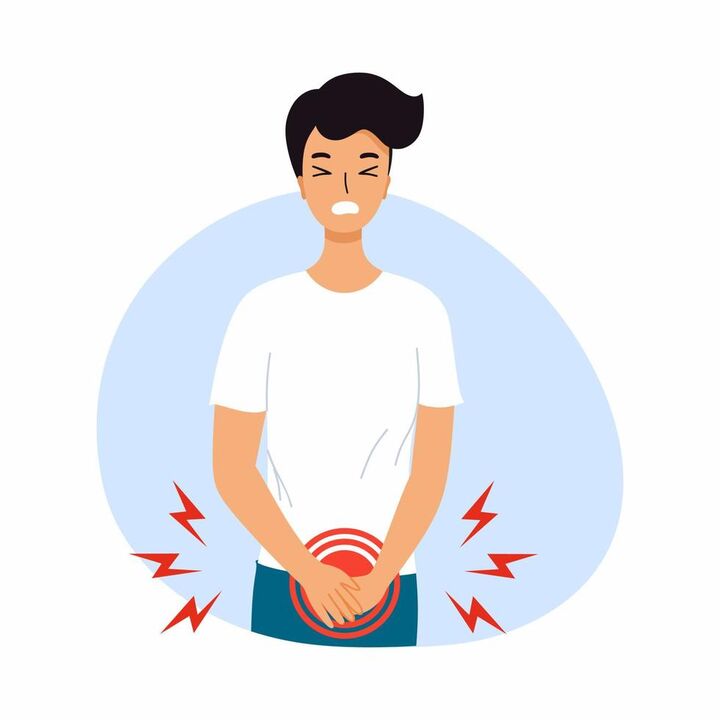
Prostatitis is an inflammatory disease of the prostate, i.e. the prostate, a purely male organ located below the bladder.
This gland is often called the "second heart" because it is responsible for many important functions in the male body.
Prostatitis is one of the most common diseases.In the USA, for example, the number of cases of prostatitis is eight percent of all urological diseases.
Why do you need a prostate?
The prostate performs the following functions:
- produces the liquid that makes up the liquid part of the sperm,
- converts testosterone into its active form - dihydrotestosterone,
- together with the bladder neck muscles forms the internal sphincter that controls urination,
- participates in creating the feeling of orgasm.
First signs of prostatitis
Symptoms of prostatitis: frequent and unbearable urge to urinate, burning and pain when urinating, difficulty urinating, feeling of incomplete emptying of the bladder, pain in the pelvis, groin and lower back.
When does prostatitis start?
In one form or another, prostatitis is observed in almost half of men after 30 years.But it can appear in young people as early as 18-20 years old.
Factors that cause the development of prostatitis:
- chronic hypothermia,
- untimely emptying of the bladder,
- disturbance of the rhythm of sexual life (long periods of abstinence, irregularities),
- frequent changes of sexual partners, unprotected sex,
- a sedentary lifestyle that causes impaired circulation of blood and lymph in the pelvic organs,
- diseases of the genitourinary system,
- infectious diseases,
- smoking and alcohol,
- injuries,
- hormonal disorders,
- immune system disorder.
Types of prostatitis
Acute bacterial prostatitis is caused by damage to prostate tissue by pathogenic microorganisms: Escherichia coli, Pseudomonas aeruginosa, Proteus, Klebsiella, Staphylococcus aureus.
Many of these bacteria are representatives of the healthy microflora of the human body, which lives on the skin and in the intestines.
Penetrating the prostate tissue, however, they can cause an inflammatory process.Bacteria often enter the prostate from the bladder or urethra.
Symptoms:
- fever and chills,
- pain in the prostate area, groin and lower back,
- increased urge to urinate, difficulty and pain when urinating, feeling of incomplete emptying of the bladder, blood in the urine,
- painful ejaculation,
- decreased libido and erection quality due to severe pain and intoxication of the body.
If you experience any of these symptoms, contact your doctor immediately.Acute prostatitis requires immediate diagnosis and treatment.
Chronic bacterial prostatitis sometimes becomes a consequence of acute prostatitis.
Its appearance can also be triggered by injuries to the genitourinary system, catheterization of the urinary bladder or infections of other organs.
Symptoms:
- frequent urge to urinate,
- pain and burning when urinating,
- pain in the pelvis, perineum,
- nocturnal urge to urinate,
- difficulty urinating,
- the presence of blood in the semen,
- painful ejaculation,
- slight increase in body temperature.
Symptoms of chronic bacterial prostatitis develop gradually and often periods of exacerbation alternate with calmness.You cannot postpone a visit to the doctor: this disease requires qualified treatment.
Chronic abacterial prostatitis can be caused by several factors:
- lifting heavy objects with a full bladder (urine can reflux into the prostate),
- spasm of the pelvic muscles, which leads to increased pressure in the prostate,
- anatomical disorders in the genitourinary system, for example, narrowing of the urinary canal,
- permanent prostate injury.
The symptoms are similar to those of chronic bacterial prostatitis.Differences are detected only by laboratory tests to detect infection.
Attention!
The symptoms of prostatitis are similar to the signs of dangerous diseases such as cystitis, bladder cancer and benign prostate tumors.
In order for these diseases to be diagnosed as early as possible and effectively treated, a man who feels discomfort related to urination or genital function should consult a doctor as soon as possible.