


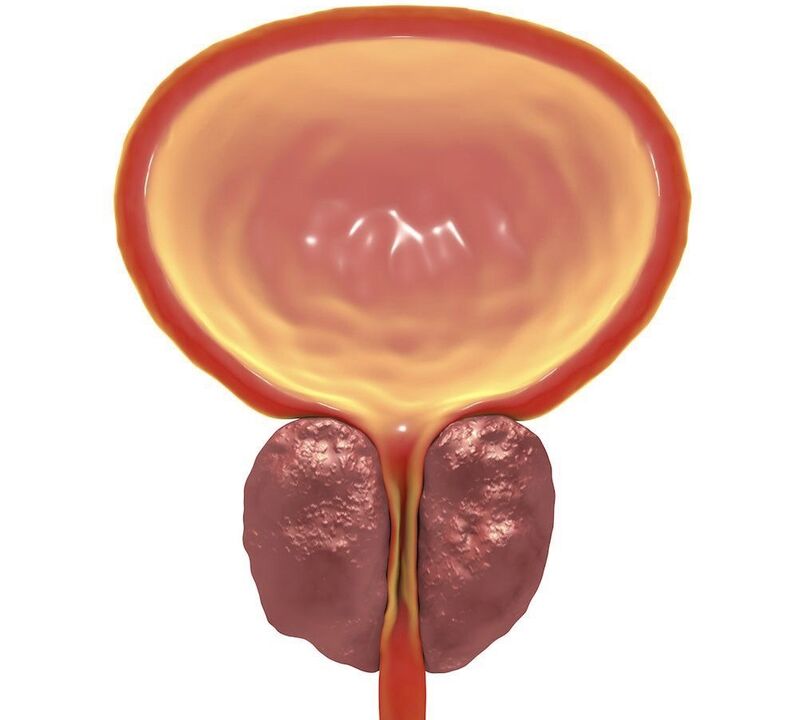
Chronic prostatitis is an inflammation of the prostate that leads to disruption of its function.
Description of chronic prostatitis
Chronic prostatitis is an inflammation of the prostate that leads to disruption of its function.This disease is difficult to treat and is characterized by frequent relapses.There are two types of chronic prostatitis:
- Infectious, caused by damage from bacteria, infections or fungi.
- It stagnates, develops with stagnation of prostate secretions and blood in its veins.The causes of congestive prostatitis are irregular sex life, sedentary work and tight underwear.
Chronic prostatitis is the most common urological disease in men of reproductive age.
There are several factors that influence the development of prostatitis:
- weakened immunity associated with constant stress, nervous overload, smoking and excessive alcohol consumption, regular lack of sleep;
- hormonal disorders;
- previous venereal diseases;
- untreated urinary tract infections;
- sedentary lifestyle and sedentary work (especially for drivers);
- work associated with prolonged exposure to vibration, for example, work with a hammer or lathe.
The disease significantly impairs the quality of life and leads to social and psychological problems.There is also a decrease in potency and impaired reproductive function.
Chronic prostatitis without proper treatment leads to a number of serious complications:
- pyelonephritis and cystitis - due to infection of the urinary tract;
- vesiculitis - inflammation of testicles and appendages;
- prostate adenoma and cancer;
- inflammatory processes in the nerves responsible for erectile function, which lead to infertility.
Symptoms of chronic prostatitis
The development of the disease is mostly asymptomatic.Therefore, the detection of prostatitis is often associated with the diagnosis of suspected prostate cancer.
A few symptoms include:
- mild pain and discomfort in the perineal area, with projection to the rectum and sacrum, lasting more than three months;
- painful and premature ejaculation;
- burning in the perineum and urethra;
- discomfort during bowel movements;
- discharge from the urethra;
- sometimes there are painful difficulties when urinating and retention of urine;
- reduced potency, problems with erection and lack of orgasm;
- state of depression;
- high general fatigue.
Not all signs appear immediately.In general, chronic prostatitis is characterized by an undulating course of the disease, when the symptoms of the disease either intensify, weaken or completely disappear.This significantly complicates diagnosis and subsequent treatment.
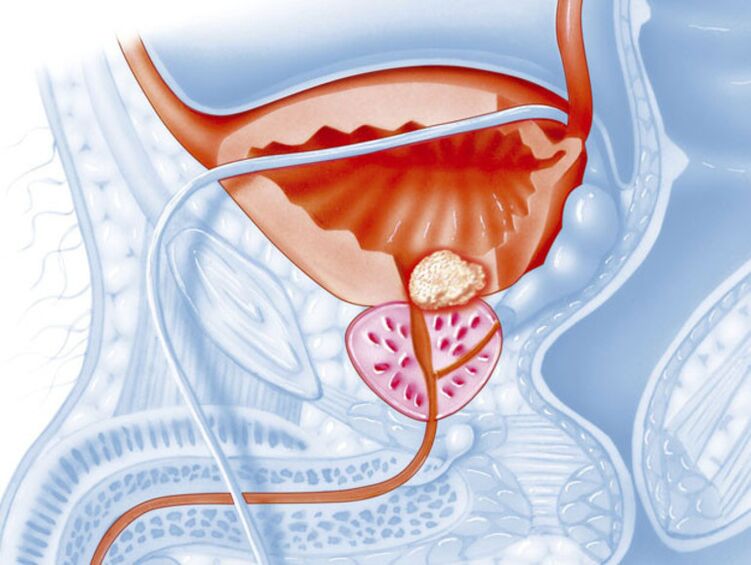
Diagnosis of chronic prostatitis
Diagnosis of suspected chronic prostatitis includes:
- patient survey;
- general urine and blood tests;
- three-cup urine test;
- tests for the presence of sexually transmitted infections;
- culture of prostate secretions to determine the sensitivity of its microflora to various antibacterial drugs;
- digital rectal examination of the prostate;
- Ultrasound of pelvic organs and prostate.
In addition, the following may be prescribed:
- uroflowmetry (measurement of the parameters of excreted urine);
- prostate tissue biopsy;
- PCR (polymeric chain reaction) analysis of urethral smear for the presence of chlamydia and mycoplasma.
Treatment of chronic prostatitis
The treatment method depends on several factors and is aimed primarily at eliminating the factors that lead to chronic prostatitis:
- age of the patient;
- disease stage;
- a type of chronic prostatitis.
The effectiveness of therapy directly depends on the diagnosis of the disease in the initial phase, compliance with diet, increase and regularity of physical activity.
The main method of treating chronic prostatitis is complex drug therapy, based on the results of a bacterial culture of prostate secretions and urine.The course of treatment should be at least 4 weeks, with continuation in case of positive dynamics until the infection is completely eliminated.
Medicines used to treat chronic prostatitis are divided into the following groups:
- antibiotics and antibacterial drugs;
- alpha-blockers (drugs that cause expansion of blood vessels and channels and regulate metabolism in the prostate);
- anti-inflammatory drugs;
- muscle relaxants and antispasmodics;
- immunostimulants;
- antidepressants;
- vitamin complexes;
- herbal extracts;
- analgesics;
- drugs to improve microcirculation and reduce blood clotting.
An important place in the treatment of chronic prostatitis is prostate massage, which improves blood and lymph circulation, removes blockages and increases the patency of the prostate ducts.
In recent years, the range of therapeutic measures has been expanded to include various physiotherapy methods:
- UHF therapy.
- Laser therapy (improves microcirculation and eliminates congestion in the prostate).
- Rectal electrophoresis.
- Microwave hyperthermia.
Spa treatment is also indicated, especially mud treatment and thermal baths.
Surgical methods of treatment are used only in the last stage of the disease - sclerosis of the prostate.In this case, a transurethral resection of the bladder neck, prostate and seminal tubercle is performed.
Due to the lack of universal approaches to the treatment of chronic prostatitis, the main goal of therapy is to eliminate the source of infection, normalize the immune background and restore normal prostate function.
Prevention of chronic prostatitis focuses on eliminating the factors that lead to the development of the disease.
The risk of chronic prostatitis is reduced if the following conditions are met:
- regular physical activity;
- a healthy way of sleeping;
- good nutrition;
- regular sex life.